
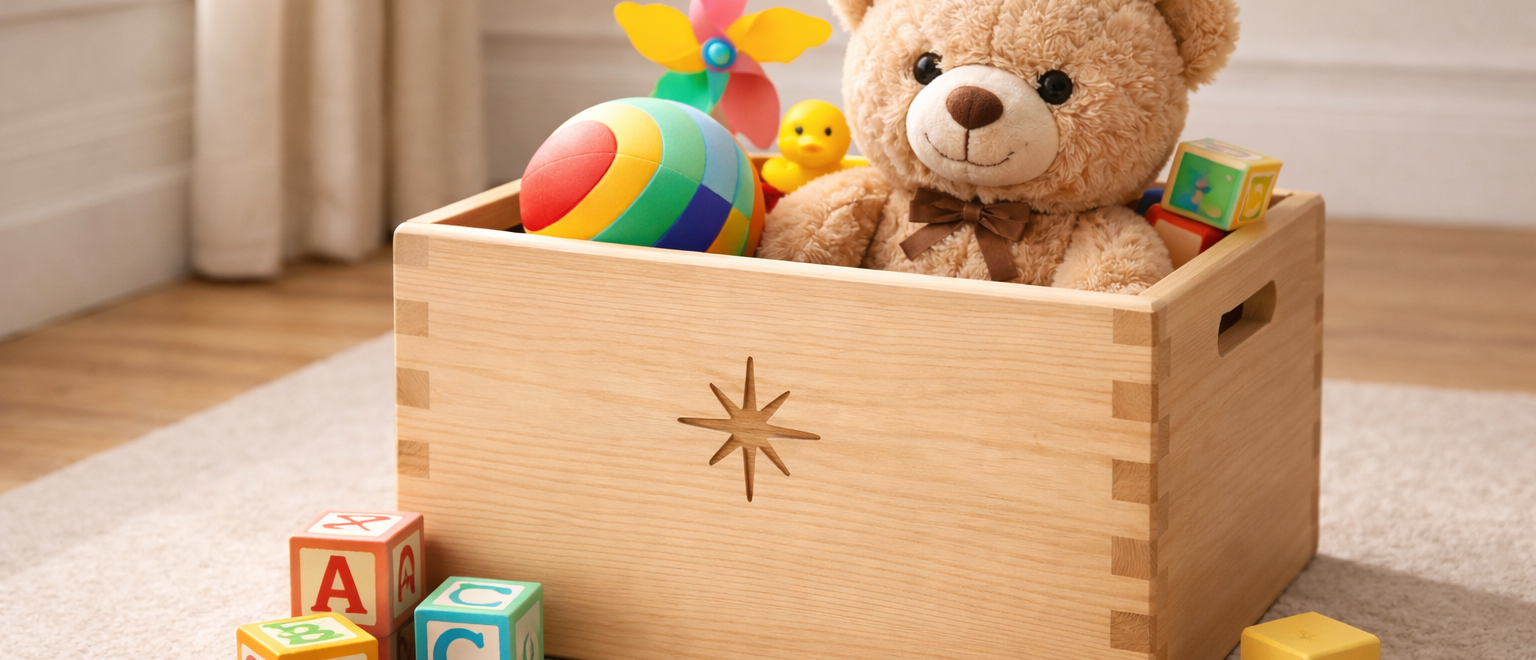
Play is a natural language of expression; not only for children, but for all of us.
When words feel hard to find, creative and experiential approaches allow emotions, memories, and experiences to surface in safe and meaningful ways.
Play therapy uses carefully selected materials, such as symbolic toys, art, movement, sandtray, and storytelling to help individuals explore their inner world, process experiences, and build emotional resilience.
While play therapy is developmentally essential for children, it can also be deeply impactful for teens and adults who benefit from experiential, hands-on exploration.

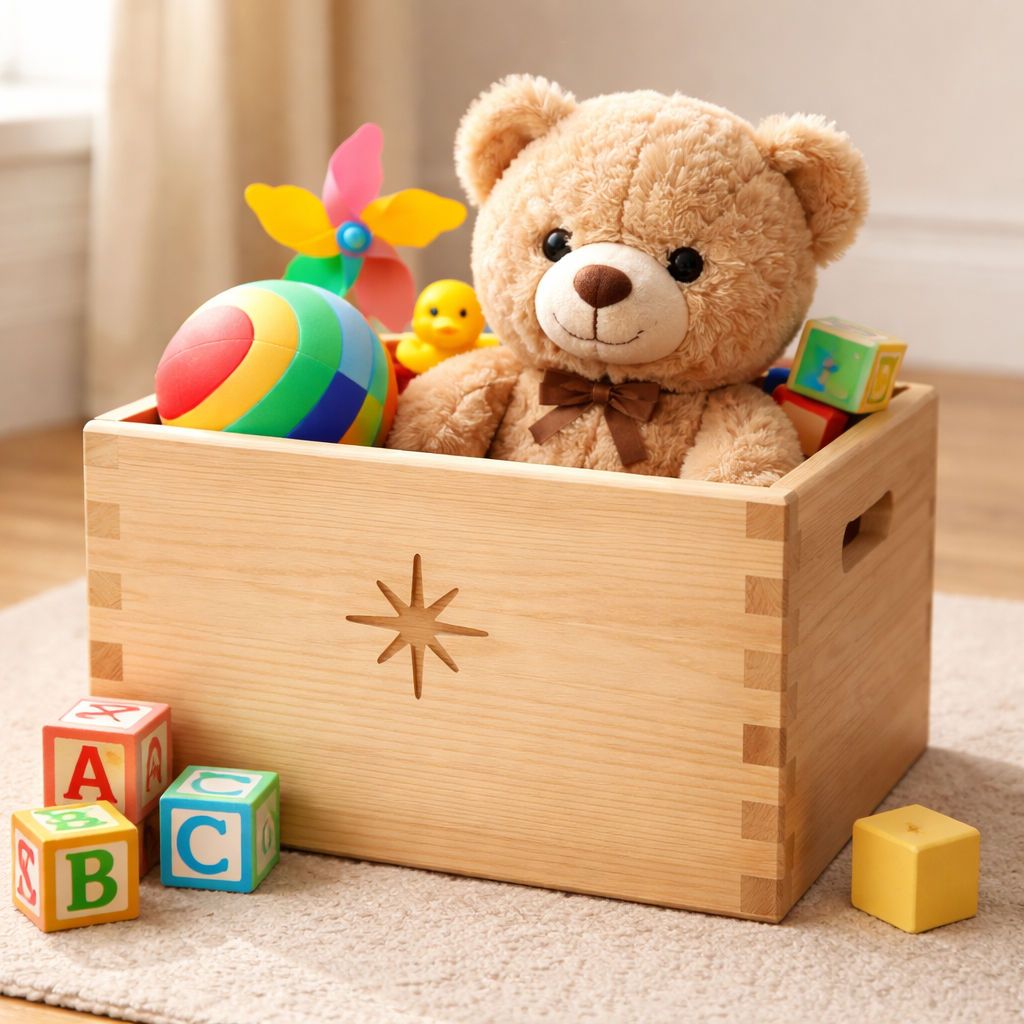

Play is our brain’s favorite way of learning.
Diane Ackerman
How Play Therapy Helps Across The Lifespan?
Play therapy can support:
- Emotional regulation
- Anxiety & stress
- Trauma
- Life transitions
- Grief or loss
For children, play is their primary language. For teens and adults, play can bypass defenses and access deeper insight,
Growth looks different at every age but the need for connection and understanding remains the same.
Frequently Asked Questions
Starting therapy often comes with questions. Here are answers to some of the most common questions about play therapy, including how it works and who it can support. These responses are meant to provide helpful information as you consider whether this approach may be a good fit for you or your child.
How does play therapy help with emotional challenges?
Play therapy helps individuals explore and process emotions in a natural, experiential way. Through creative expression and symbolic activities, people can work through difficult feelings, develop healthier coping skills, and build confidence in navigating life’s challenges.
What age is play therapy appropriate for?
Play therapy is most commonly used with children between the ages of 3 and 12 because play is a child’s natural language for expressing emotions. However, many therapists use play-based and experiential approaches with teens and adults as well. Creative methods such as sandtray therapy, expressive art, and symbolic activities can help people of all ages explore emotions, process experiences, and develop healthier coping skills.
What happens during a play therapy session?
During a play therapy session, individuals engage with carefully chosen materials such as toys, art supplies, games, storytelling, or sandtray figures. These tools allow thoughts and feelings to emerge naturally while the therapist provides guidance, encouragement, and emotional support.
What concerns or diagnoses can play therapy help treat?
Play therapy may be helpful for concerns such as anxiety, depression, trauma, grief and loss, behavioral challenges, attention difficulties (including ADHD), adjustment to life changes, social challenges, and stress related to school, family, or relationships.
Rather than focusing only on a diagnosis, play therapy helps individuals explore feelings, understand experiences, and develop healthier ways to cope and connect with others.
If you’re unsure whether play therapy might be helpful for you or your child, a consultation can help determine the most supportive approach.